Infrastructure for Smarter Mobility

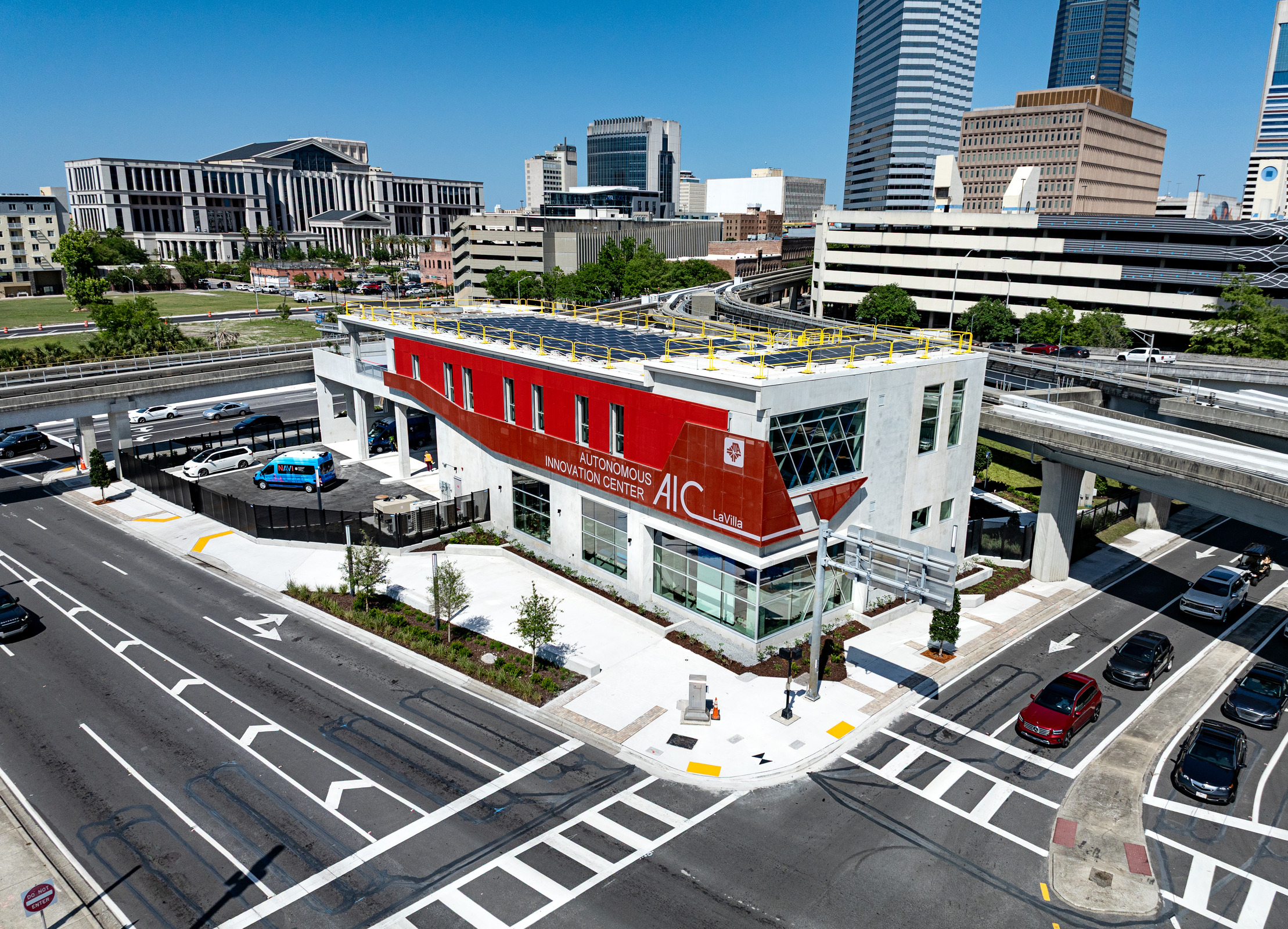
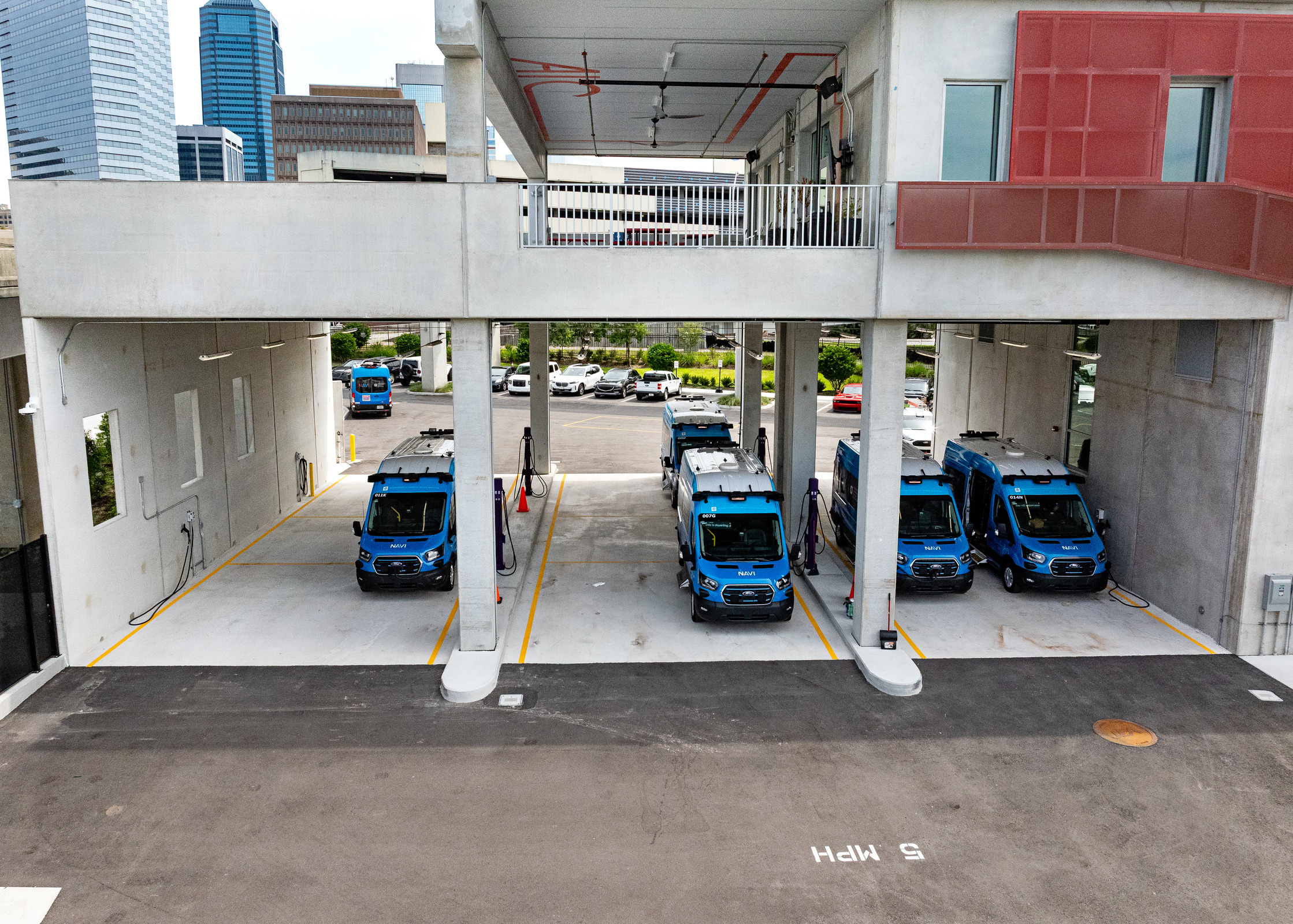
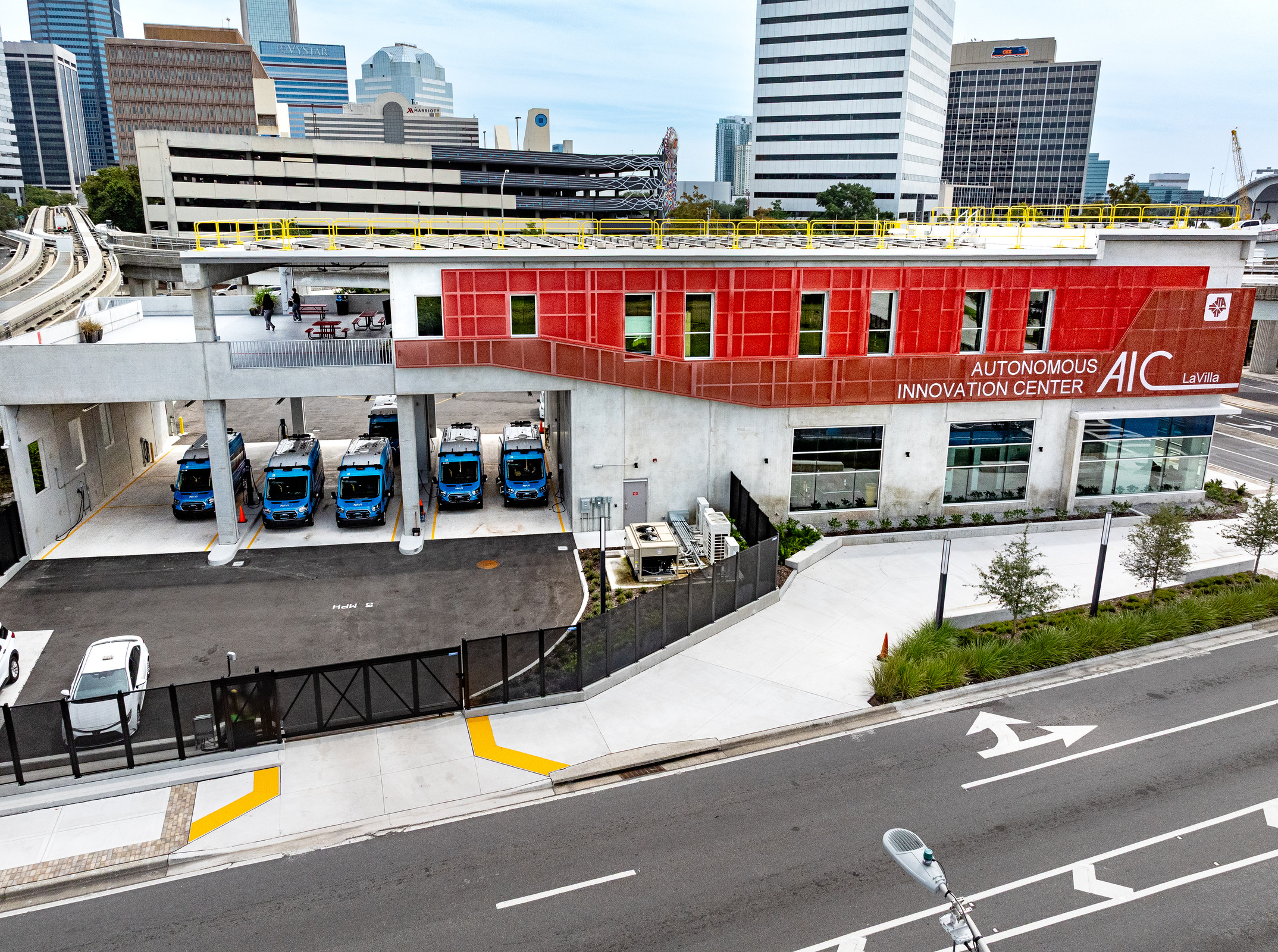
As Jacksonville advances its vision for next-generation urban mobility, the Autonomous Innovation Center anchors the city’s Ultimate Urban Circulator (U²C) program. Located in the LaVilla neighborhood, the two-story facility serves as the operational hub for autonomous electric shuttles and connected transit technology — supporting fleet maintenance, charging infrastructure, and a centralized command center.

Constructed entirely with prefabricated concrete systems, the building responds directly to the constraints of its dense urban site. Limited access and staging required a streamlined approach focused on precision, sequencing, and speed. Components were manufactured in a controlled environment to ensure consistency, then assembled efficiently on-site to accelerate enclosure and reduce disruption to the surrounding area. The result is a durable structural frame delivered with schedule certainty and long-term performance in mind.

Year
2024
Building Systems
Structural
Design Features
Formliner

The smooth gray exterior reinforces the industrial character envisioned for the project. Much of the concrete remains exposed, complemented by red metal screening panels that add depth and contrast. Select areas allow for future updates, providing durability today with flexibility for tomorrow.

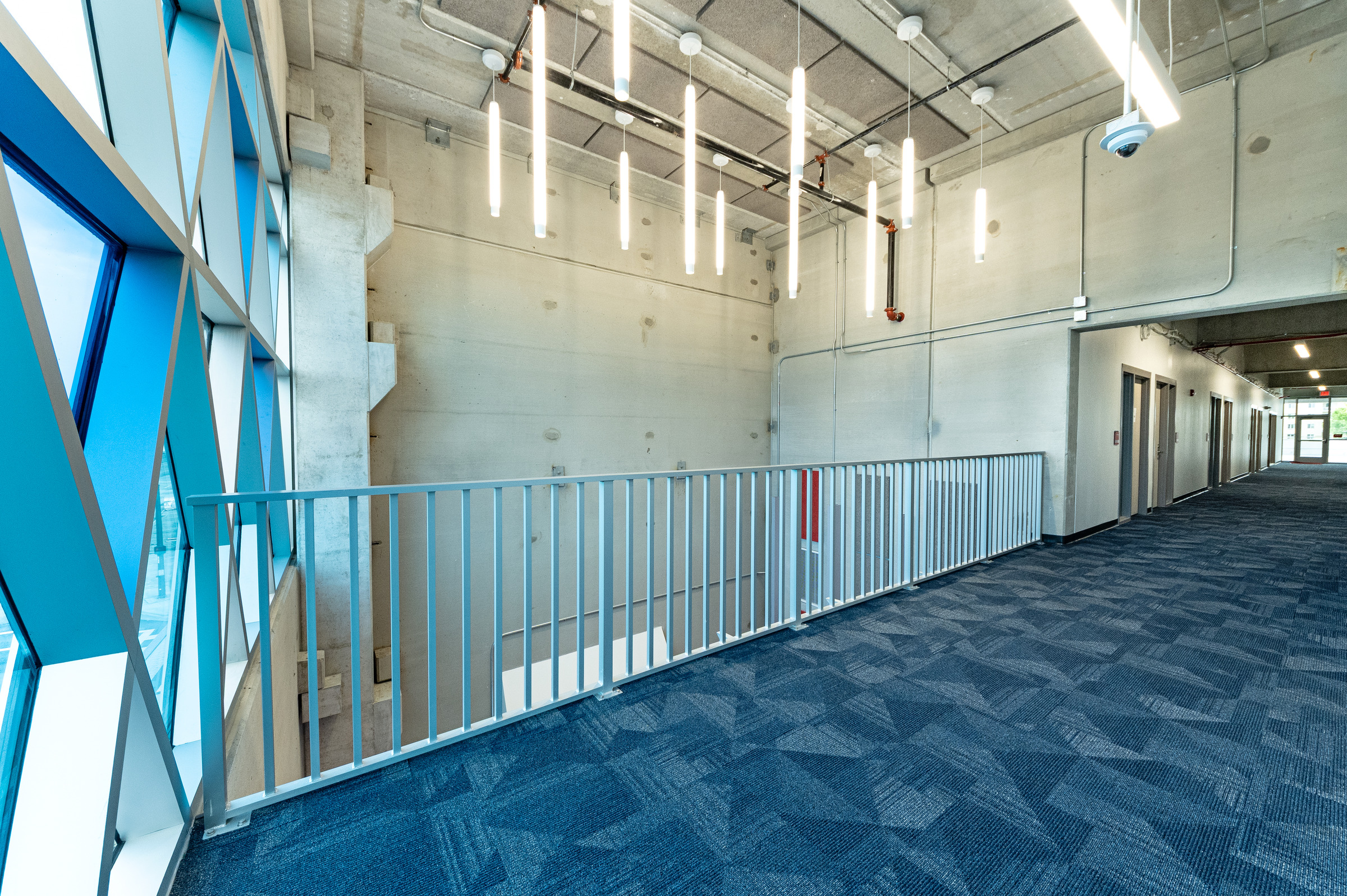
High-performance wall panels integrate structure, insulation, and interior finish into a single system. This approach stabilizes interior temperatures, reduces energy demand, and simplifies construction by limiting additional materials and trades. The inherent strength of the system also supports resistance to fire, moisture, and severe weather — critical for reliable operation in Florida’s climate.

Designing the facility required thoughtful coordination to balance large window openings with structural integrity. Custom architectural details were incorporated directly into the exterior panels, achieving the desired expression without compromising constructability or efficiency.

Above, the roof structure was engineered to support Jacksonville’s first microgrid, integrating solar panels with battery energy storage to provide resilient, sustainable power. Enabled by the strength of the building system, this feature reinforces the facility’s role as both an operational center and a forward-looking energy model.

The Autonomous Innovation Center stands as more than a transit facility. Through disciplined planning, integrated building systems, and a focus on long-term value, Wells helped transform an ambitious smart-city initiative into durable, efficient infrastructure — built to support the future of mobility and the evolving needs of the community.

Ready to transform your community?